Why Electronic Equipment Needs Cooling 24 Hours a Day
Electronic components turn a large share of their power into heat - continuously, for as long as they run. Why servers, inverters, UPS and medical devices need cooling that never stops.
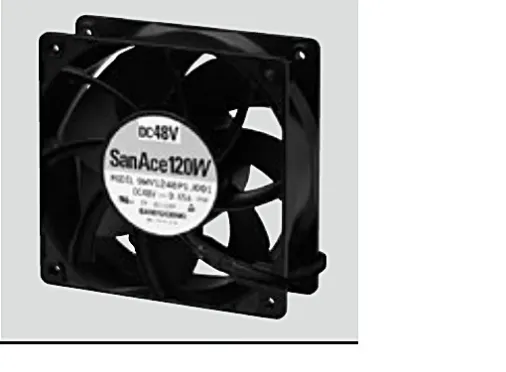
While electronic components work, not all of the electrical energy they consume becomes useful output. A considerable share of it is converted into heat and released inside the equipment — and it keeps being released for as long as the device is switched on.
For low-power devices, this heat is small enough that natural cooling — heat simply radiating from the enclosure — can be sufficient. But many modern products are different. Servers, energy storage PCS units, industrial inverters, telecom equipment, UPS systems and medical devices share three characteristics: their internal heat is generated continuously, it is concentrated in specific hot spots rather than spread evenly, and the space available for cooling is limited. In such equipment, heat management is not optional, and it is not occasional — it has to run around the clock.
The five steps of heat management inside equipment
Thermal management inside a device usually follows the same chain:
| Stage | What it does |
|---|---|
| Components operate | Generate heat continuously while the equipment runs |
| Heat conduction | Transfers the heat to heatsinks or other structures |
| Air movement | Carries the heat from those surfaces into the air |
| Forced fan cooling | Accelerates the airflow and moves the heated air away |
| Hot air exhaust | Releases the heat to the outside of the equipment |
Every link in this chain matters, but the fan is the only active link — the one that keeps the air moving so the other steps can keep working. How that moving air carries heat out of the enclosure is explained in our article on how a DC cooling fan removes waste heat.
The fan's real job: removing heat continuously
This is the point that is easy to underestimate: a cooling fan's real task is not simply to blow air, but to remove heat continuously. As long as the equipment is working, heat is being produced — so the cooling system must keep working too, without pauses.
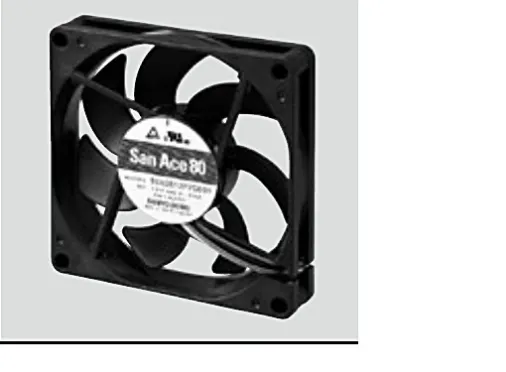
For equipment that runs 7 x 24 hours, the consequence is direct: the fan never rests, so its reliability becomes part of the whole system's reliability. A fan that stops in a server, an inverter or a medical device does not just end the cooling — it can shut down or damage the equipment it was protecting. That is why expected life and bearing quality carry so much weight when a fan is selected or replaced, as our cooling fan replacement checklist sets out.
Choosing a fan for continuous-duty equipment? Send us the model number or a photo of the existing fan label, and we will match performance and expected life against the original fan's datasheet across our NMB, AVC and SANYO ranges — or contact us to discuss your application.