Understanding the Three Modes of Heat Transfer – How Cooling Fans Work
Heat transfer occurs through conduction, convection, and radiation. Cooling fans use forced convection to dissipate heat efficiently — essential for electronics, industrial machinery and ventilation.
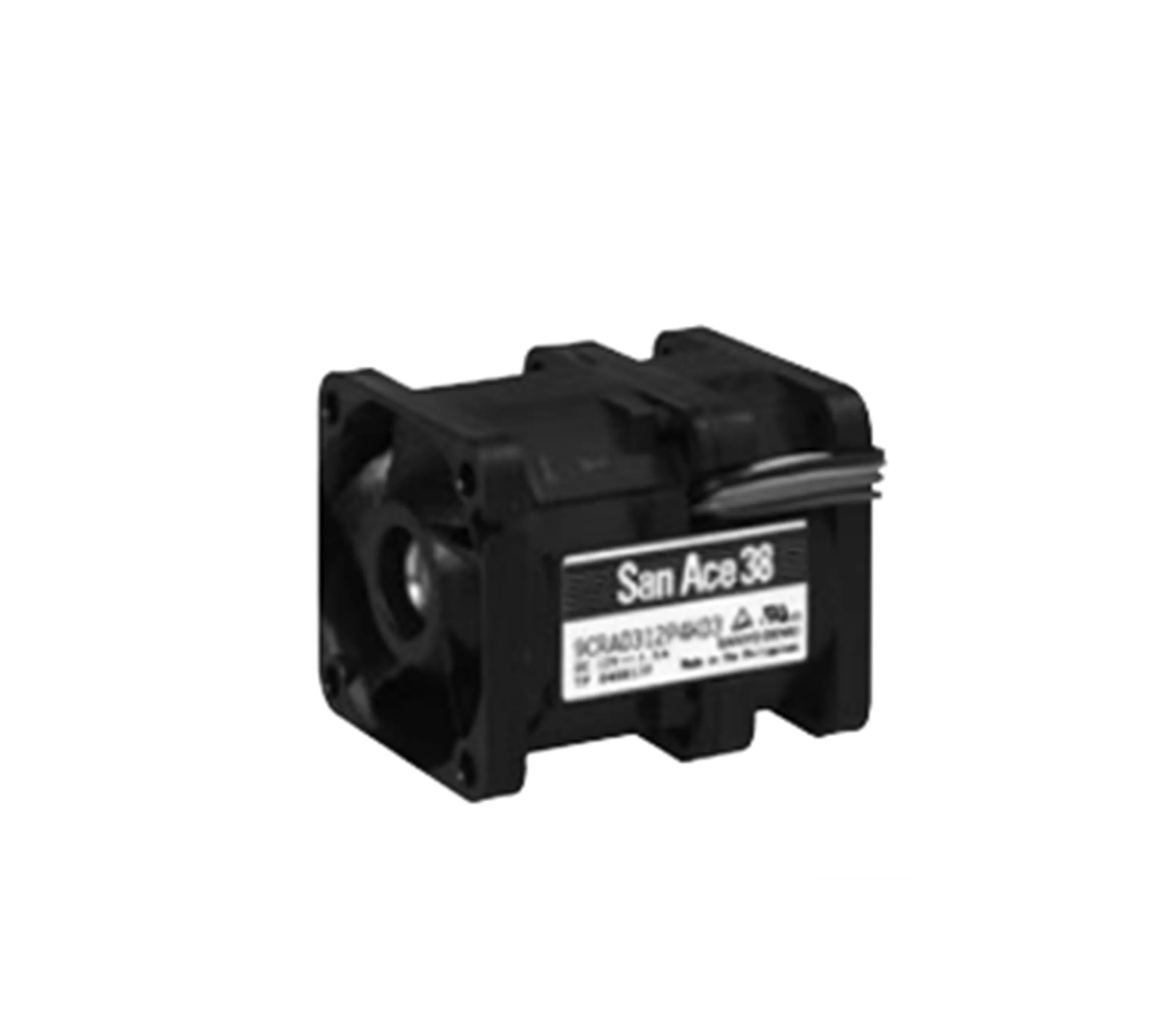
When electronic devices operate, they generate heat. If this heat cannot dissipate quickly, it can reduce performance, shorten the lifespan of components, and even cause system failure. Understanding the three heat transfer modes — conduction, convection, and radiation — is essential for designing effective thermal management solutions, where cooling fans play a crucial role.
How a Cooling Fan Moves Heat
The primary mechanism by which a speed-controlled axial fan moves heat is convection (forced convection). However, fans also indirectly support conduction and radiation processes.
- Conduction — Heat Transfer Through Solid Materials
Conduction transfers heat through direct contact between particles in a solid. In electronic equipment, heat generated by a chip travels through its housing or thermal substrate (thermal pad, heat sink) to the surface of the device. At this stage, cooling fans can accelerate heat removal: by increasing the temperature difference between hot and cold surfaces, fans improve the efficiency of heat transfer.
- Convection — Heat Transfer Through Fluid Movement
Convection occurs when heat moves with a fluid (such as air or liquid). Fans enhance this process by forcing air to flow over hot surfaces, carrying heat away: San Ace 136 C: Free-flow air flow is powered by an impeller, which is also called the blade. The impeller in a typical cooling fan can generate air flow, and the engineer's main work is to use a suitable cooling fan to make the work of this full flow.
Natural convection — as air warms up it becomes lighter and rises, carrying heat away without any fan. This is particularly important for preserving the heat sink performance under different working temperatures.
- Radiation — Heat Transfer Through Electromagnetic Waves
Unlike conduction and convection, radiation does not require a medium. It transfers heat through electromagnetic waves, such as infrared radiation. Radiation — hot surfaces release heat as infrared energy, and keeping surfaces cooler with airflow helps components stay within safe limits.
How Fans Support All Three Modes
Conduction: Cooling fans indirectly aid heat transfer by optimizing the thermal interface between components and heat sinks.
Convection: Fans drive air movement, increasing heat dissipation through forced convection.
Radiation: Fans ensure consistent airflow, which prevents overheating and maximizes radiative cooling.
Looking for the right fan for equipment? Browse our NMB, AVC and SANYO ranges or contact us for a recommendation.