How to Choose a Metal Fan Guard: Size, Material and Finish
Choosing a metal fan guard? Match the size to your fan, pick steel or stainless wire, and choose a nickel-chrome or black finish. A practical guide with sizes from 40 to 200 mm.
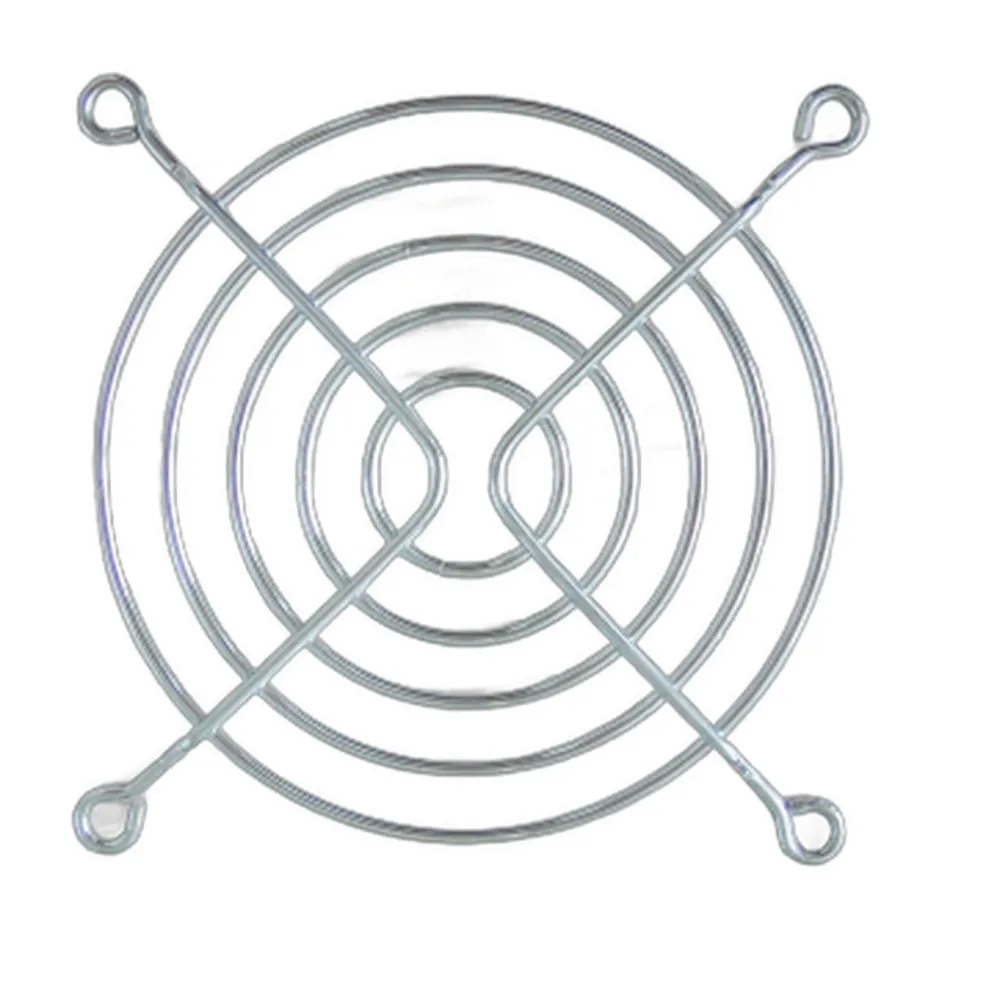
A metal fan guard only works if it fits the fan, survives the environment and still lets the air through.The wrong size will not mount, the wrong material will rust, and the wrong finish will look out of place on the finished equipment. This guide covers the four decisions that matter — size, material, finish and filtration — so you can order the right guard the first time.
- Match the size to the fan
Start with the fan, not the guard. A guard is sized by the fan it covers: standard sizes run from 40 mm to 200 mm, covering the common PC power supply, inverter and equipment fans. Measure the fan frame and the mounting-hole positions, not just the blade diameter — the guard must sit flat on the frame with its holes lining up. If your fan falls outside the standard range, custom sizes from 20 mm to 400 mm can be made to a drawing or sample.
- Choose the material: steel wire or stainless steel
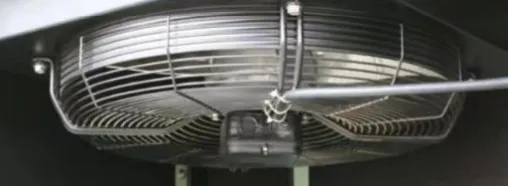
Most guards are welded steel wire: rigid, heat-resistant and strong enough to keep fingers, cables and loose parts out of the blades. Where the equipment works in humidity, outdoors or near the coast, stainless steel wire is the safer choice — it resists corrosion that would eventually weaken a standard guard. Both options are RoHS and REACH compliant.
- Pick the finish: nickel-chrome or black
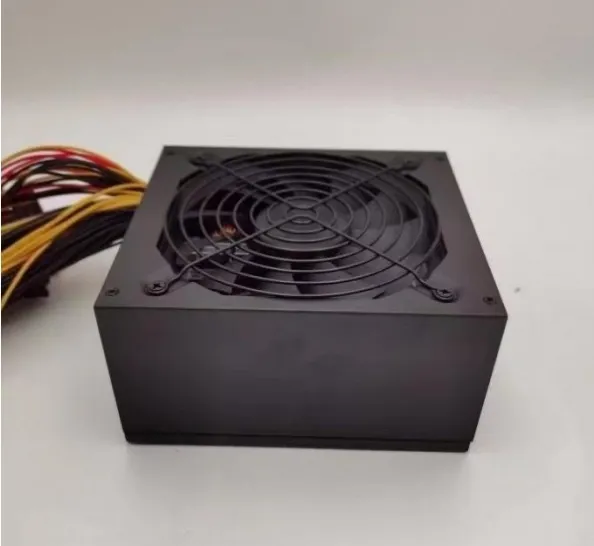
The two standard finishes are bright nickel-chrome and black. Nickel-chrome suits exposed fans and light-coloured enclosures; black blends into dark power supplies, welding machines and control cabinets. The finish is not only cosmetic — salt spray testing confirms it protects the wire underneath in humid service, so choose it with the operating environment in mind, not just the appearance.
- Check mounting and airflow
A good guard adds almost no airflow resistance and almost no noise, because the open wire grille lets the fan keep most of its rated cooling performance. Check the mounting style as well: formed eyelets and clips hold the guard firmly to the fan frame, and welded joints — pull-tested during production — keep the rings and spokes solid in transport and installation.
- When to add a dust filter
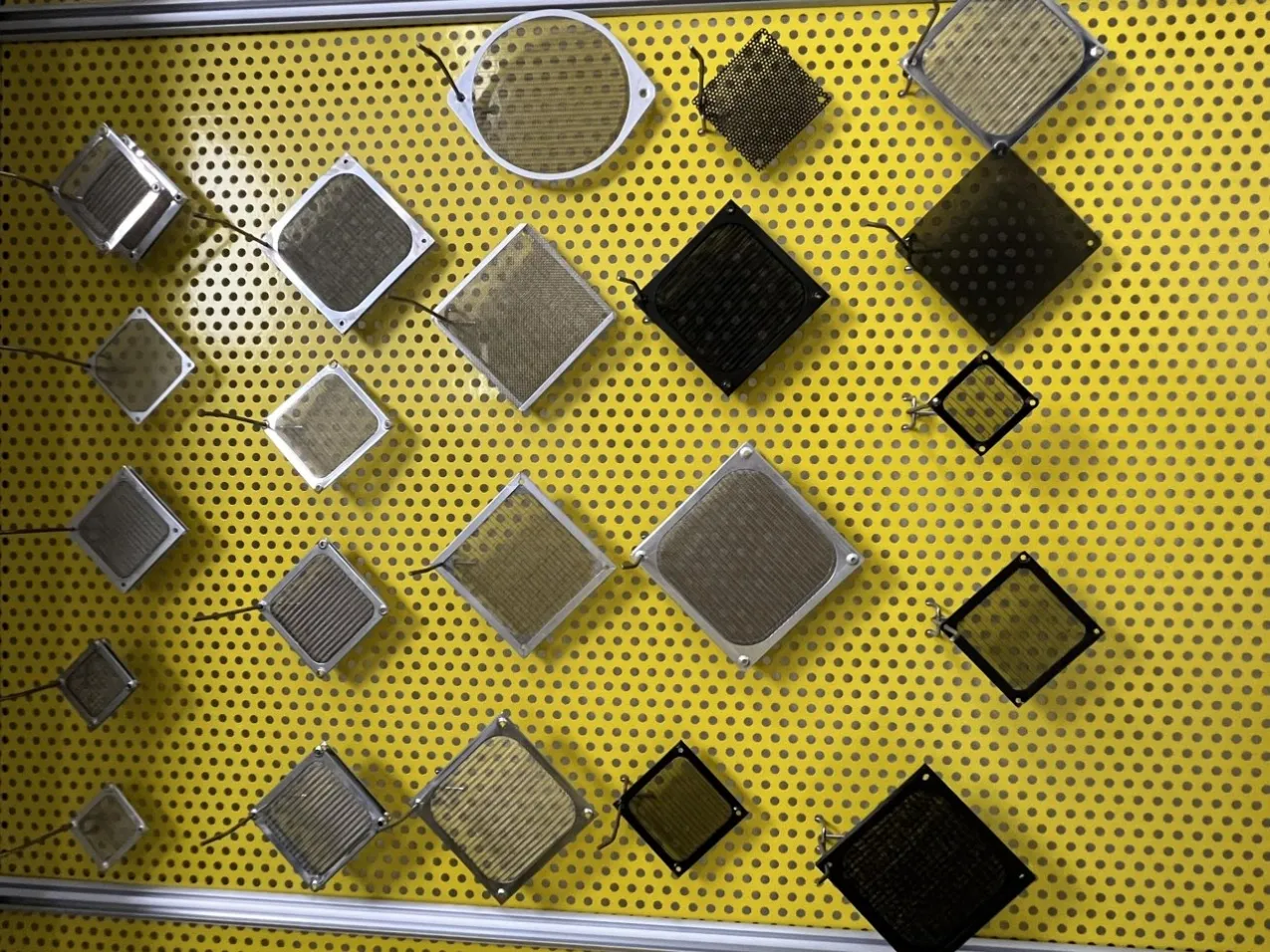
Where dust is also a problem, an aluminium-frame filter mesh can be fitted over the guard, combining blade protection with dust filtration. This combination is used on high-end equipment, medical devices and control cabinets where dust build-up would shorten the fan's life. If the air is clean, the guard alone is enough; if it is dusty, add the filter from the start rather than retrofitting it later.
A quick checklist
- Fan size and mounting-hole spacing confirmed
- Steel wire for indoor use, stainless steel for humid or coastal sites
- Nickel-chrome or black finish to match the enclosure
- Dust filter added if the environment is dusty
- RoHS and REACH compliance confirmed
Browse our metal fan guards in standard sizes from 40 mm to 200 mm, read what fan guards do and where they are used, see how they are made and tested, or contact us with your fan model or drawing for a custom size.